About
Who We Are
In December 2004, an earthquake centered near Sumatra, Indonesia created a massive Tsunami affecting a large portion of the world.
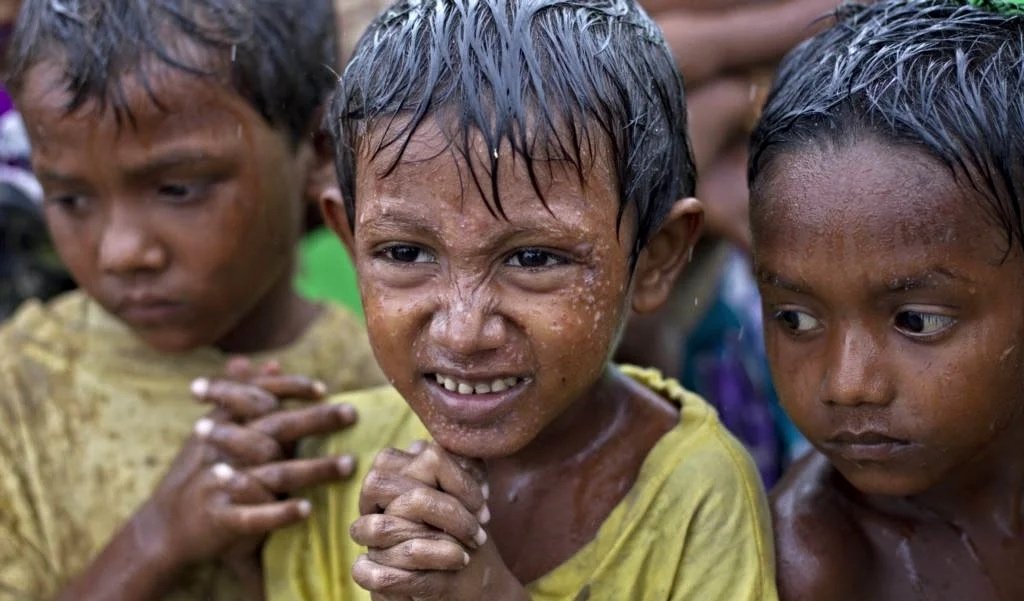
Dr. Tim Friesen, a child psychologist and play therapy specialist already working in the region, walked into the devastated communities in the days that followed. The children around him were carrying trauma that none of the adults or community leaders had been equipped to recognize or respond to.
As someone who had dedicated his career to understanding how children heal, Tim couldn't walk away from that. That gap became the foundation for the vision and mission of Twelve12:Hope, aimed at bringing hope to those who suffer.
The name of the organization is derived from the Apostle Paul’s words: “Be joyful in hope, patient in suffering, and persevering in prayer” (Romans 12:12). Without hope, we become aimless and vulnerable to despair and hopelessness.
Twelve12:Hope began in 2010 as a non-profit corporation in the state of Michigan USA, and was officially recognized under section 501(c)(3) of the IRS on December 5, 2011.
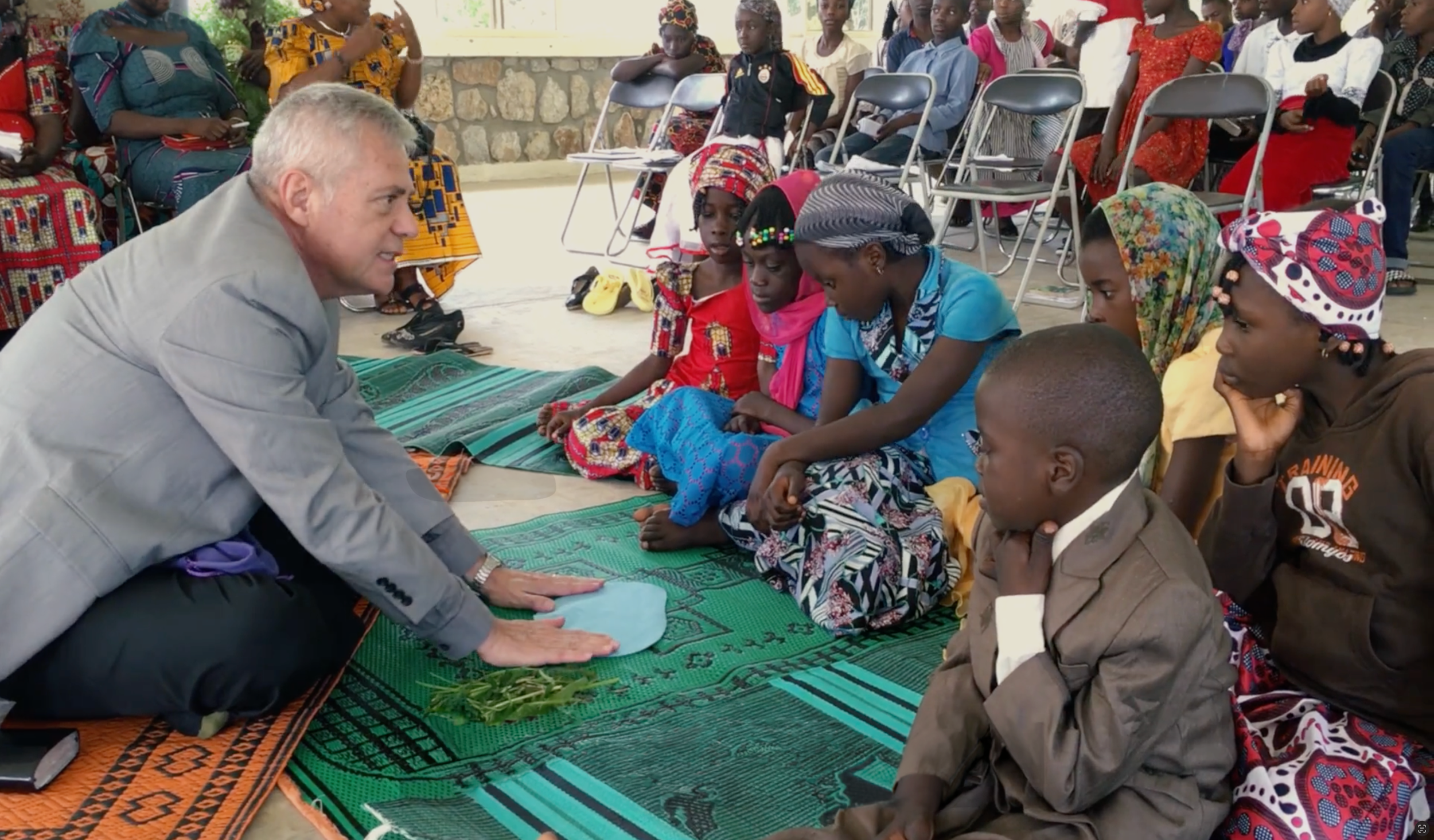
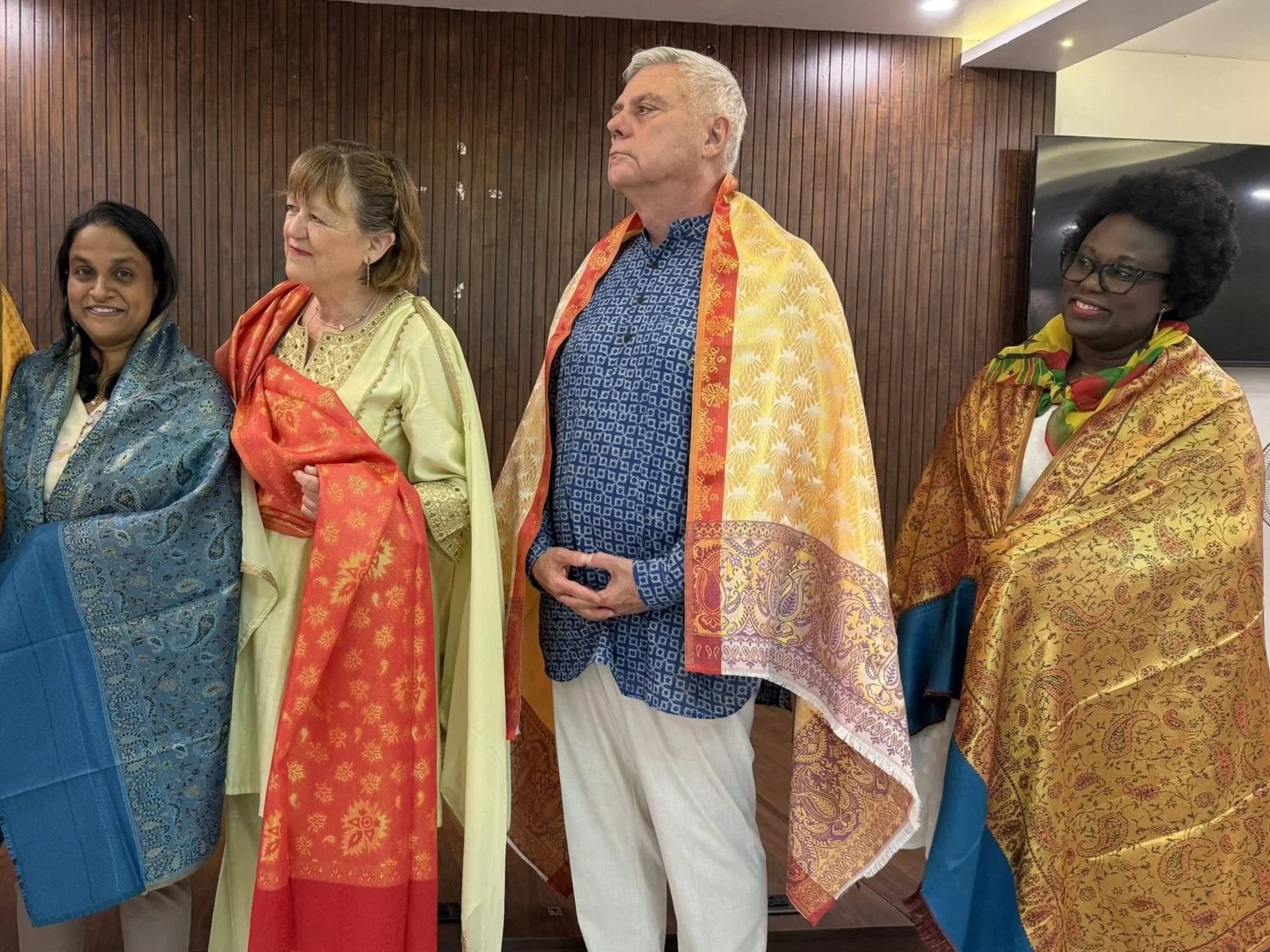
Our Team is made up of independent contractors from around the globe (USA, Africa, Sri Lanka and UK) who direct programs, deliver training, carry out research, supervise trainees and manage our communication and administration. We are led by a wonderful Board of Directors (based in Michigan), and funded through grants, foundations, and charitable donations from organizations and individuals around the world.
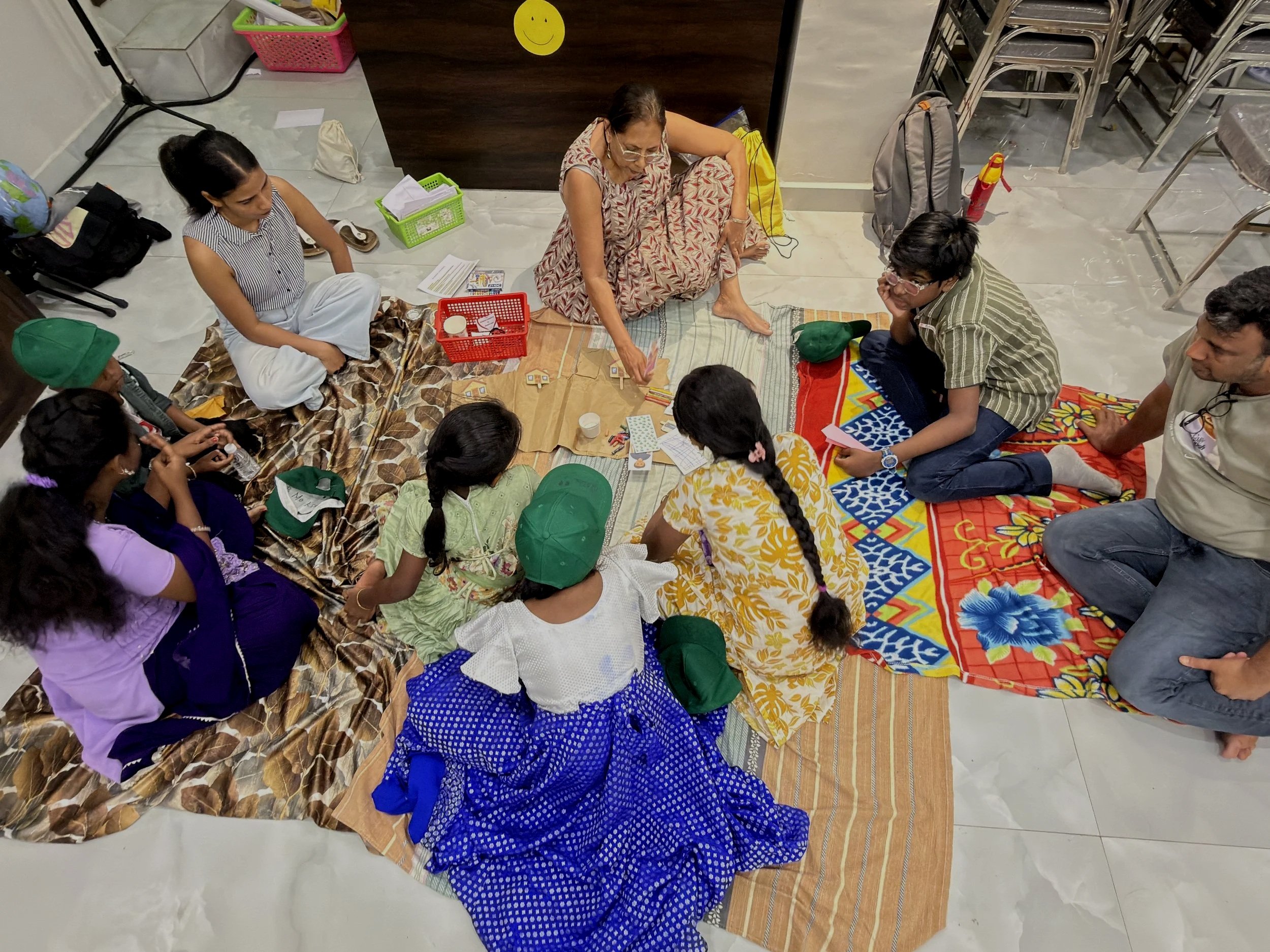
The mission of Twelve12:Hope and Jacaranda not only impacts the children who are recipients of the program, but also the adults who become trauma informed in helping others. Programs are launched in geographical locations where there is an invitation from a local host, who recognizes the need for a trauma program for children in the local community.
Our signature project, Jacaranda Communities of Hope, embodies our key values:
Compassion for children living with chronic, complex trauma.
Culturally adaptive approach, working within local values and traditions;
Building Sustainability through partnerships with local host organizations;
Trauma-informed training for local workers, giving practical coaching and hands-on learning which can be passed on to others.
Research-based interventions